
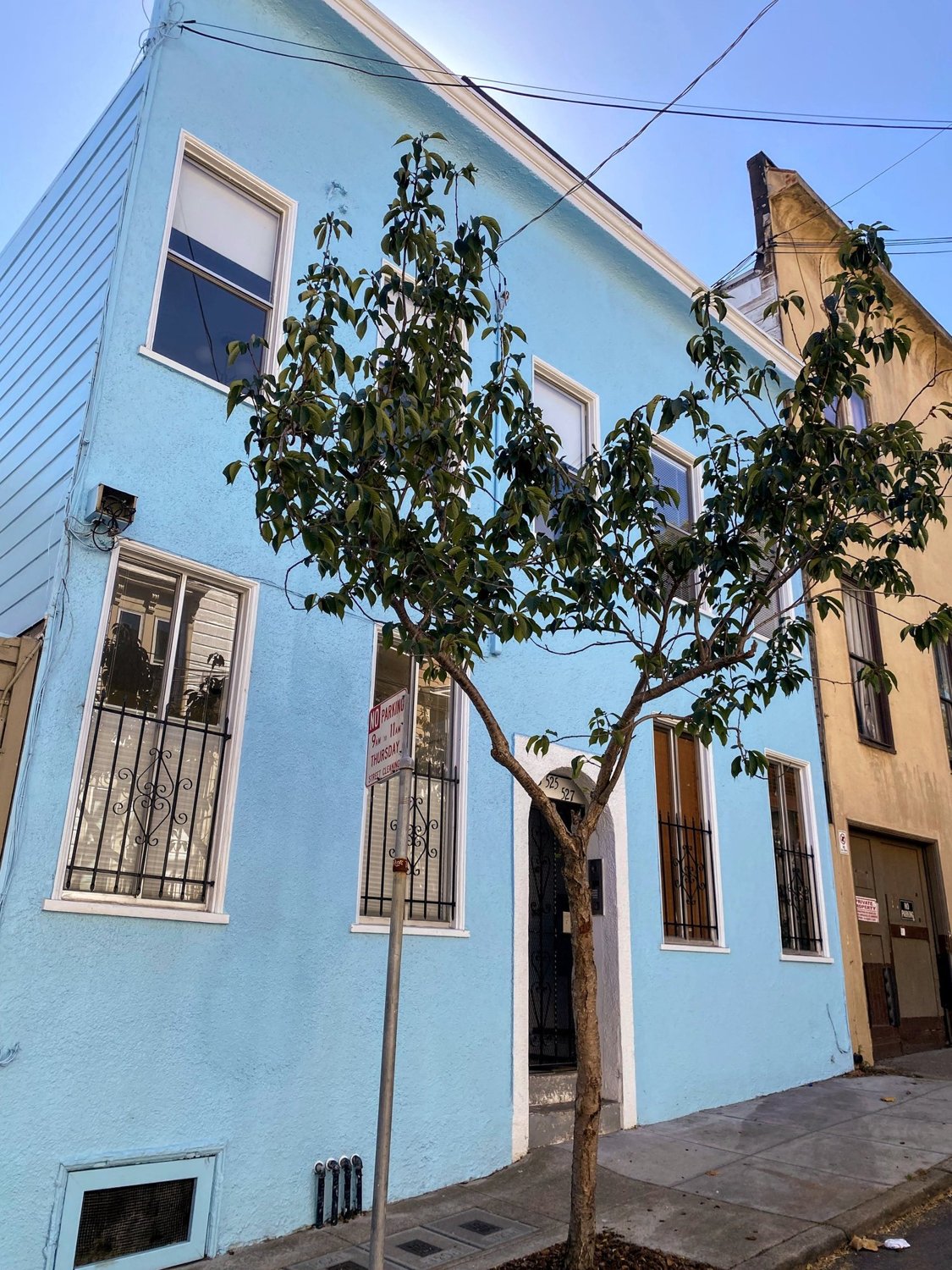
- Building
- 4 units
- Our home
- 1 apartment
- Rental plan
- 3 apartments
Residential property in Hayes Valley
Owner-occupied during our house hack
The other units provided rental income
At Linden Street, Caley and I bought our home and a small rental business in the same purchase. We acquired the four-unit building vacant, lived in one apartment and rented the others. It was an excellent investment for us, and it is the clearest example of why we take house hacking seriously in San Francisco.
The useful lesson is not that every fourplex will pay for itself. It is that the apartment you occupy, the income from the others and the improvement plan should be evaluated together. Buying a home and underwriting the whole building are two different jobs, and both have to work.
The starting point: four apartments and a vacant acquisition
| Item | Our project |
|---|---|
| Address | 521–527 Linden Street |
| Neighborhood | Hayes Valley, San Francisco |
| Building | Four-unit residential property |
| Acquisition occupancy | Vacant |
| Owner’s use | Caley and Lucas lived in one apartment |
| Rental strategy | Rent the other apartments |
| Documented improvement scope | Kitchens, dishwashers, in-unit laundry, replacement windows and attic-space improvements |
Vacant acquisition matters. It gave us a starting point for choosing our home, planning work and preparing apartments for leasing. A buyer considering an occupied building must instead start with its existing tenancies, rents and lawful possession. The two situations should not receive the same income assumptions or occupancy timetable.
Choosing the home and keeping the rental plan distinct
One apartment was our home. The others were rentals. That sounds simple, but it changes the model: our own apartment contributed no rent, while the mortgage and shared building expenses still belonged in the budget. A four-unit building does not produce four units of rental income when you live in one.
For a buyer using this approach today, I would identify the owner’s apartment early, then evaluate each rental independently. Compare layout, condition, light, included services and the work needed before leasing. Do not let a whole-building rent estimate conceal one weak apartment or an owner’s home you would not enjoy living in.
The renovation plan focused on useful features
The project included kitchen renovations, dishwashers, in-unit laundry and replacement windows. Improvements also addressed attic space. These are concrete parts of the project history. Attic improvements should not be read as proof of an additional legal apartment or new rentable square footage.
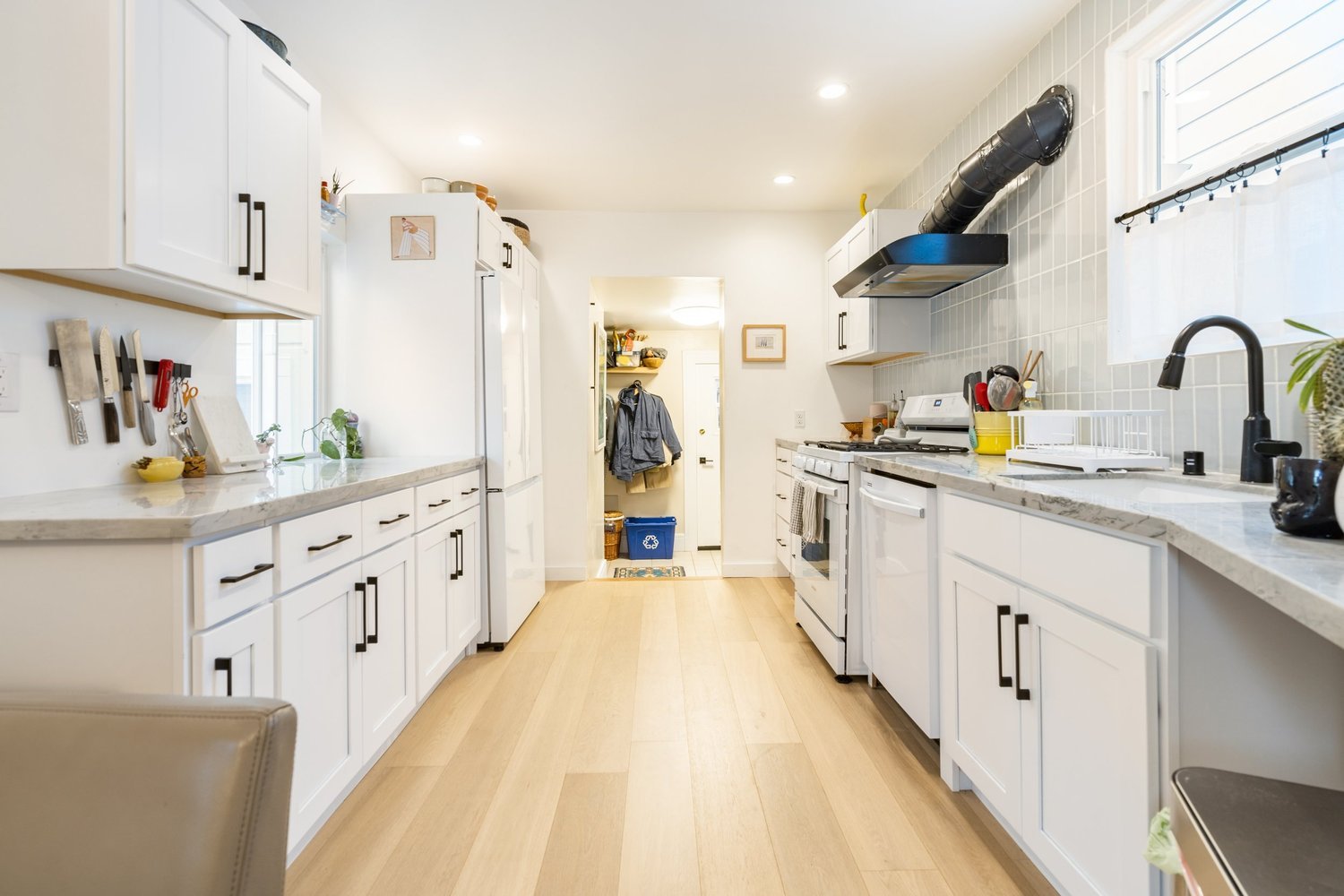
| Project element | What to investigate on your building |
|---|---|
| Kitchen renovations | Layout, existing systems, work scope and a priced budget |
| Dishwashers | Plumbing, electrical requirements and practical installation |
| In-unit laundry | Legal and physical feasibility, utilities and maintenance responsibility |
| Replacement windows | Condition, installation scope and applicable approvals |
| Attic-space improvements | Recorded use, permits, access and the limits of what can be counted |
Those improvements are not a claim that every dollar of work produced a particular rent increase. On a new purchase, compare the cost and time of each item with current rental evidence. Keep necessary repairs separate from elective upgrades, and do not spend the same reserve dollar twice.
Model the project in two budgets
The acquisition budget needs the down payment, closing costs, immediate work and cash retained. The monthly budget needs collected rent, the mortgage, taxes, insurance, utilities, maintenance, management and future capital reserves. Keeping those budgets separate makes it much easier to see whether the purchase needs more cash or more monthly income.
Use the house-hacking underwriting model to build your own version. Its editable $2 million starting scenario is hypothetical, not Linden Street’s purchase price or financial history. No property-level dollar return is claimed in this case study.
Living there makes operations part of daily life
This strategy put our home in the same building as the rentals. For a future owner, that means deciding how leasing, repairs, tenant communication and shared spaces will work before the keys change hands. Budget professional management even if you expect to self-manage, so the purchase does not depend on treating your time as free.
A useful first-year operating plan names who handles repairs, how records and deposits are managed, what the reserve target is and when to review the budget. The investment needs a reliable process after the renovation photos are taken.
What I would carry into the next house hack
- Choose a home you genuinely want to live in, with possession supported before the purchase.
- Underwrite only the rental apartments, using income the property can lawfully produce.
- Price practical work and shared systems before setting the offer ceiling.
- Retain cash for rental interruptions and repairs instead of allocating everything to the purchase.
- Keep future appreciation, conversion and added units outside the base case.
Linden Street worked well for us. The repeatable part is the discipline: buy a home you like inside a building you can afford to operate. Start with our sourcing guide if you want to find your own version, and compare the Hayes Valley neighborhood guide with the dated market report.
Common questions
Did Caley and Lucas actually house hack at Linden Street?
Yes. We bought the four-unit building, lived in one apartment and rented the others. It was an excellent investment for us.
Are the calculator’s numbers Linden Street’s actual results?
No. The model uses editable hypothetical assumptions. This case study describes the property strategy and improvements without claiming a numerical investment return.
Was Linden Street acquired with tenants in place?
The building was acquired vacant. That fact matters when comparing it with a tenant-occupied purchase.
Methodology
The case combines the owners’ account of the vacant acquisition, owner occupancy and rental strategy with the published project description and photographs. It describes a four-unit building; attic improvements do not establish another legal unit. Purchase price, financing, renovation totals, rent history and realized return are not quantified here. Calculator scenarios are separate illustrations.